
Late mornings and early nights do limit what us photographers can do, and I won’t be the first to admit that. While working full time on a 8 to 5 shedule, I drive to work in the dark and leave in the dark. That kind of shedule doesn’t really inspire creativity, especially for those like me who favor times like is golden hour.
Last year, I pretty much put the camera away for 4 months until light started creeping back into the day. However, this year I’m determined to try and keep it up! And yes, I hear you. “But Joe, why don’t you just take photos at the weekend instead!”. And the answer is… I do! Only thing is I only get 2 days worth of pictures, rather than 7. Theres also less chance for a good lighting and a stunning sunset.
So, what can we do instead? Well… lots!
By far the best option for me is something called Long Exposure Photography. This method exposes the cameras sensor for longer, letting more light hit it over-time. This helps capture those darker scenes without any colour noise or grain.
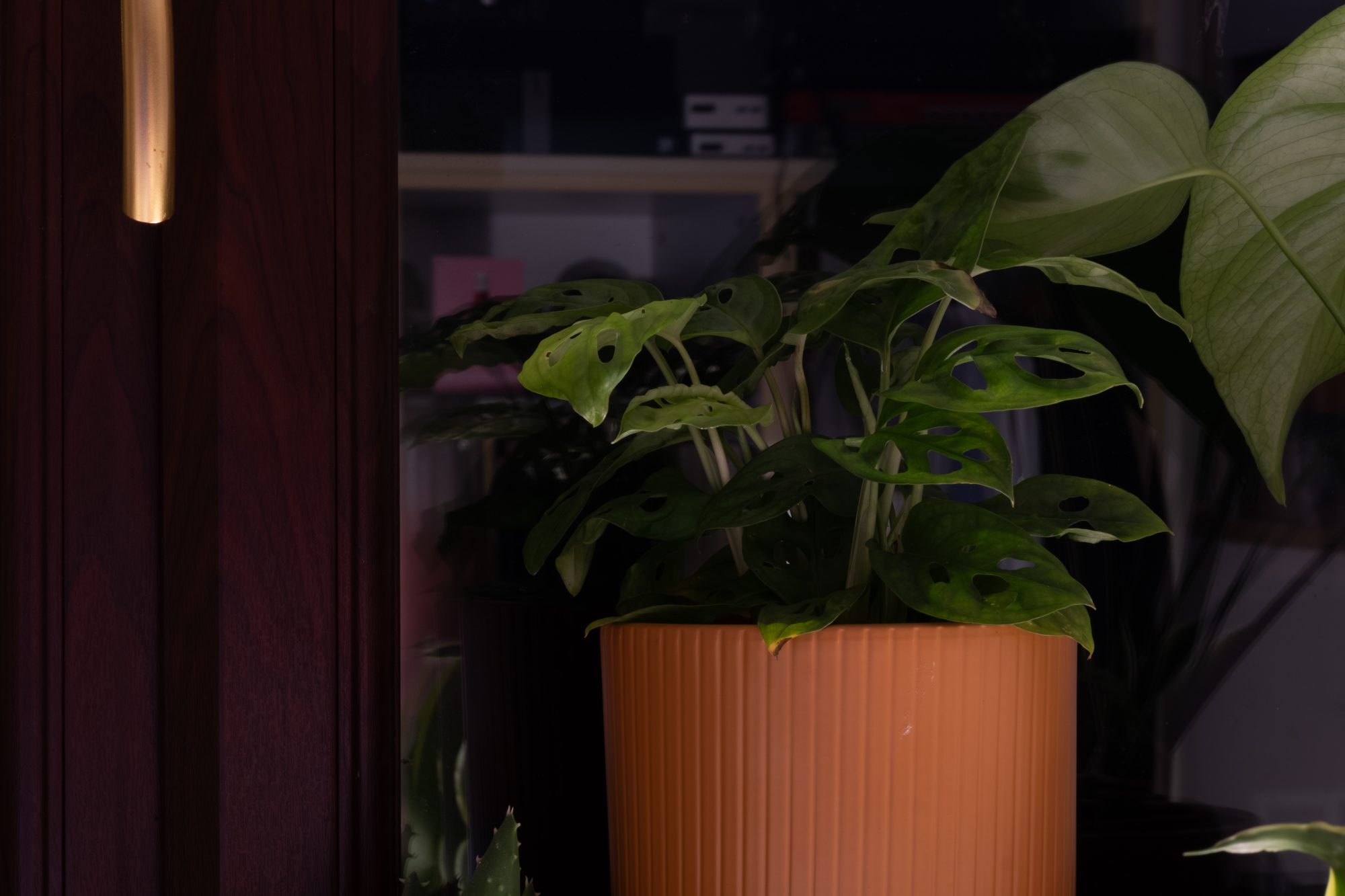
(f/16, ISO-100, Exposure time 30 seconds)
Long Exposure can also be used to create some really interesting lighting effects. For example, moving a light source in front of the camera lens creates a streak, often referred to as light painting.
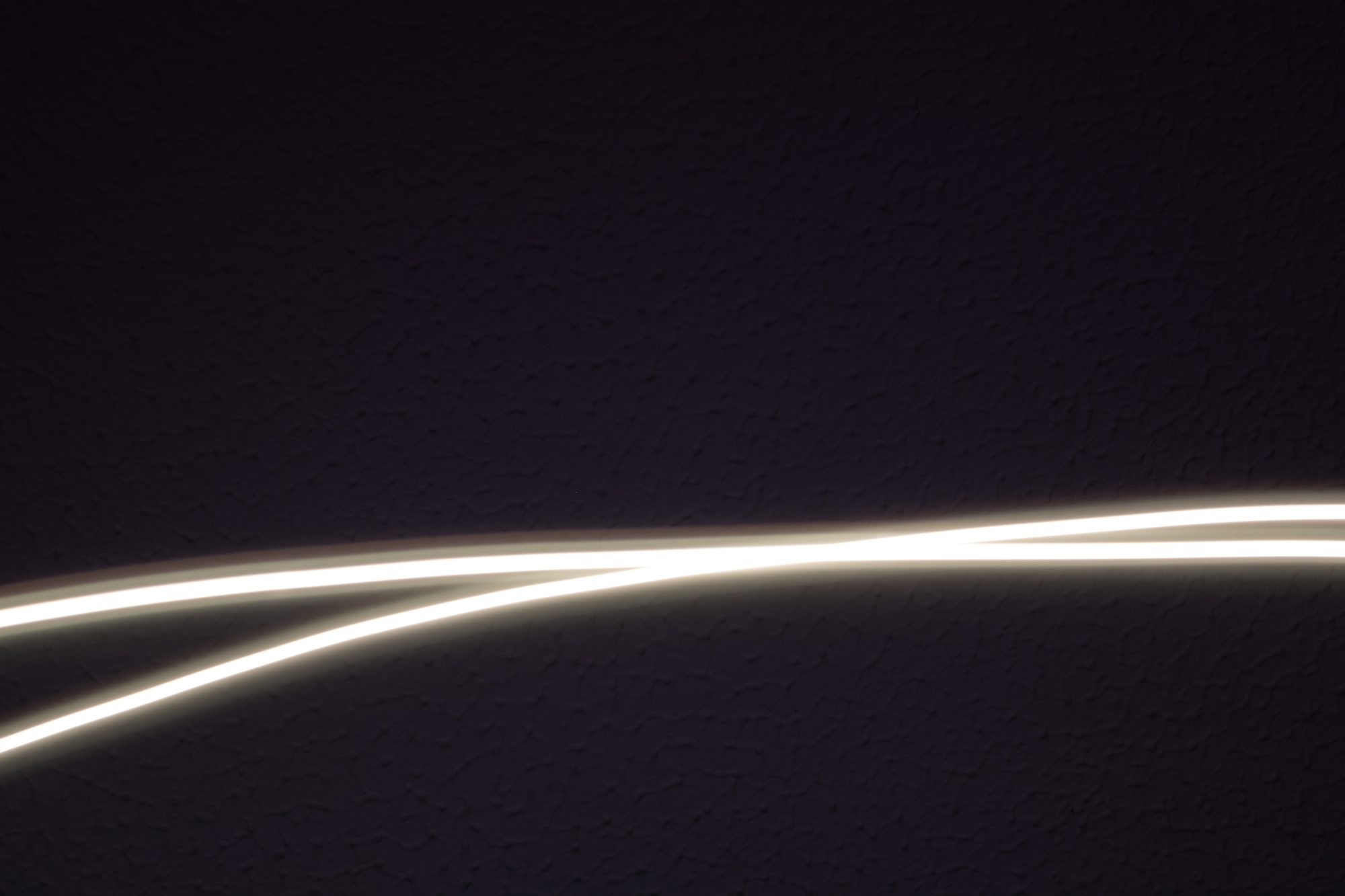
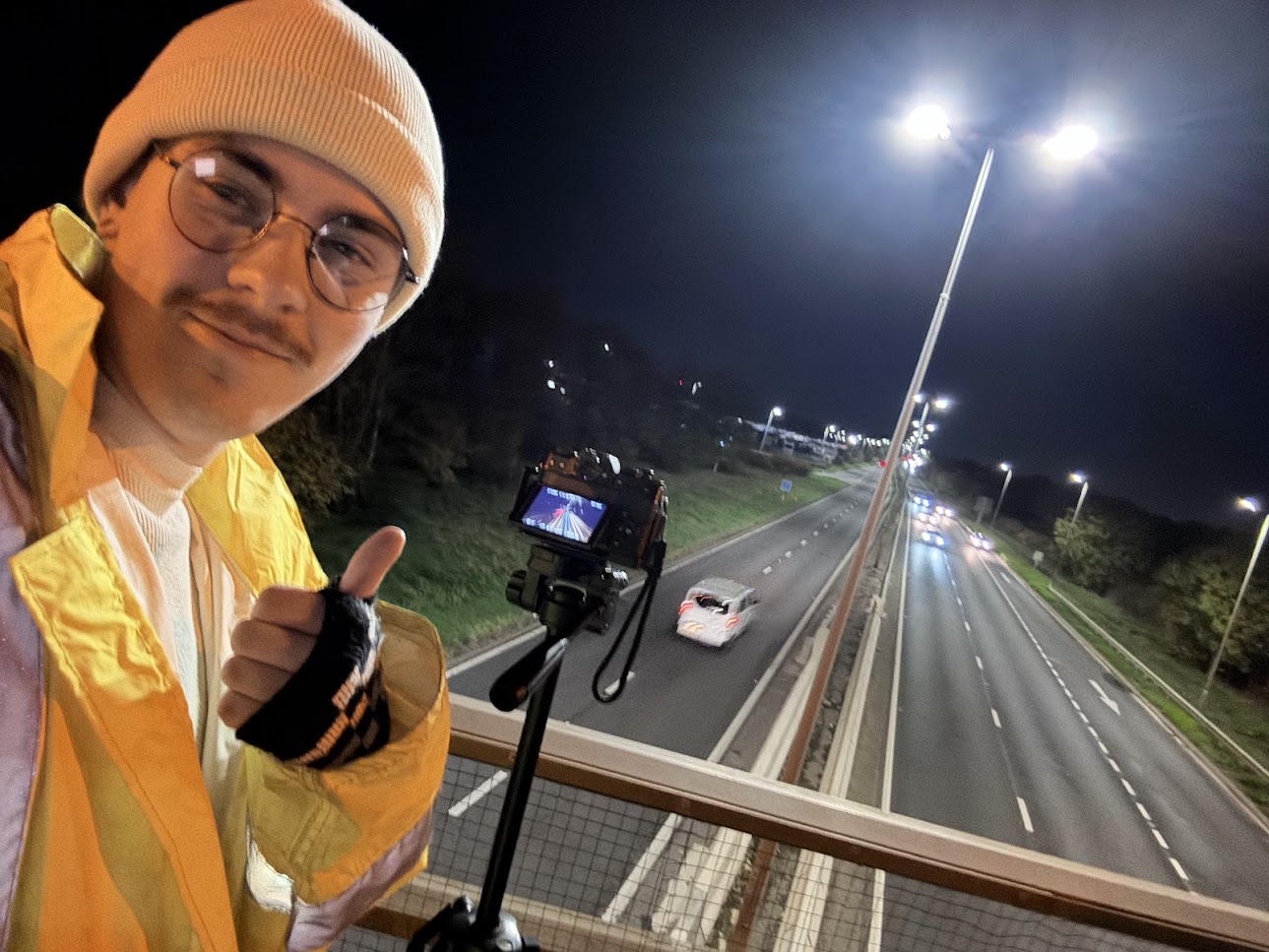
This effect has numerous applications to create interesting photos. One of these techniques, is photographing cars and their lights. In a long exposure shot, the headlights and breaklights leave bright and consistant trails of light behind.
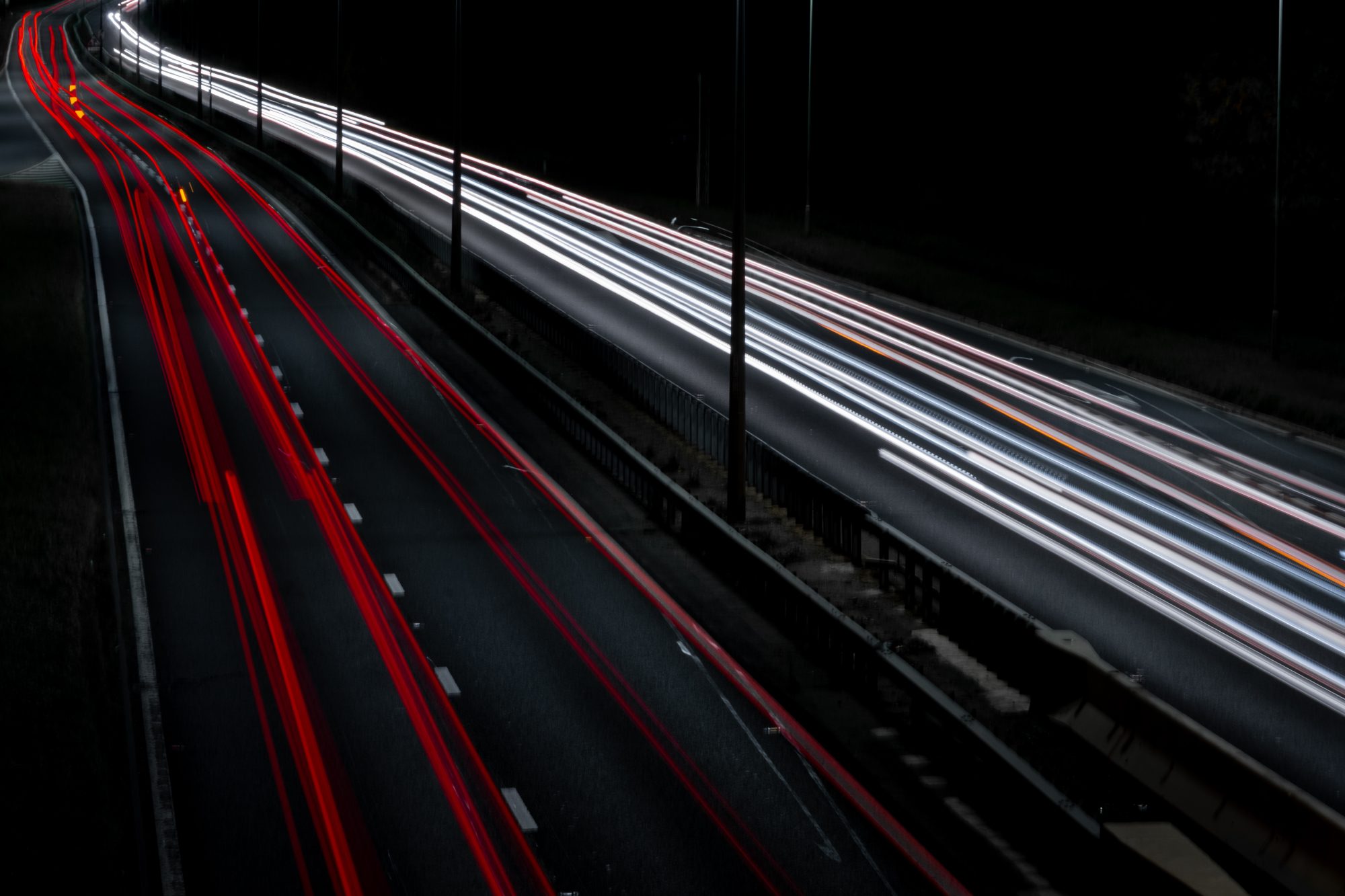
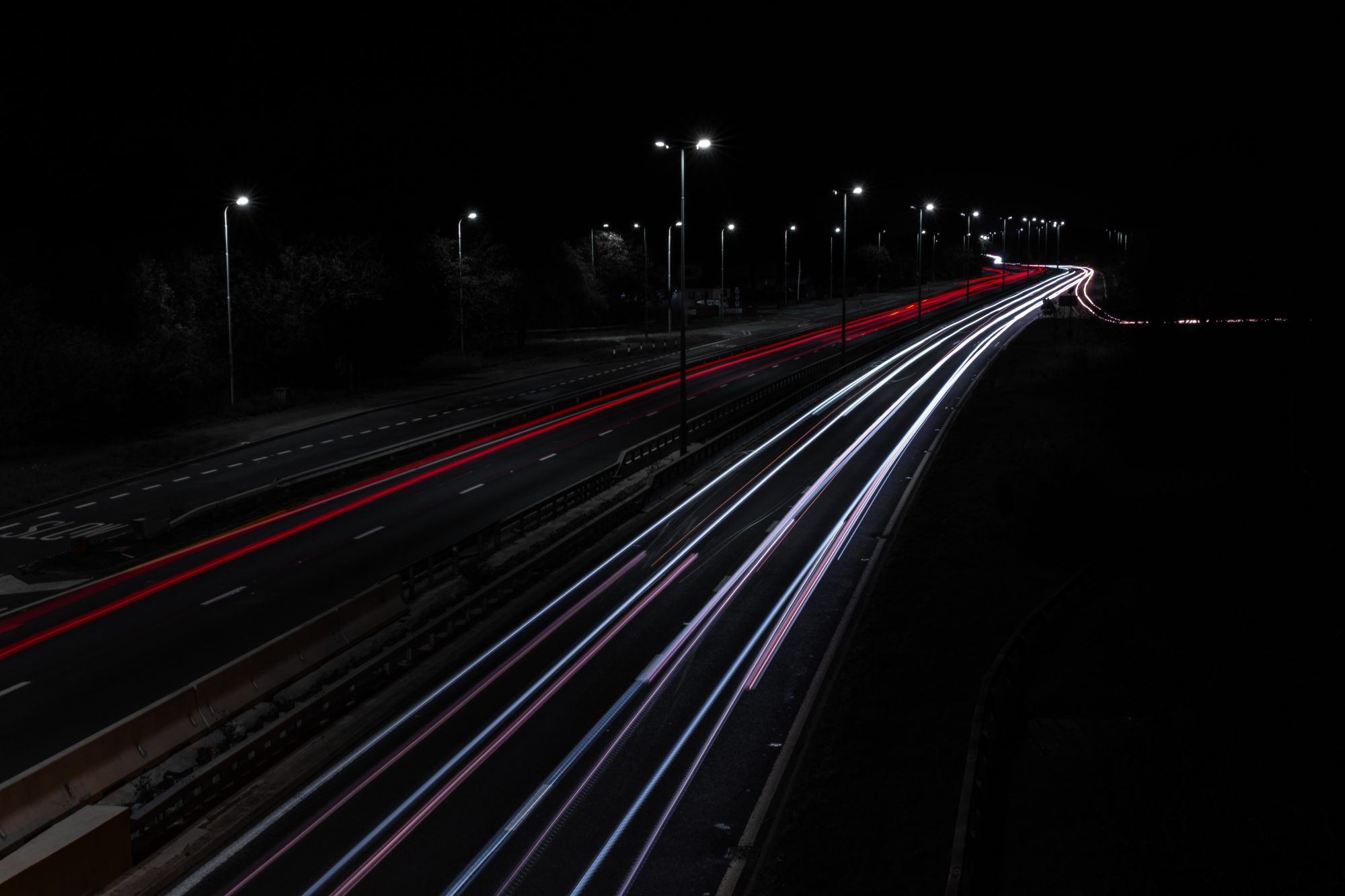
This creates briliant snake like trails of light showing the pathways of the traffic around you. But rememebr,if you are going to try this… stay safe! Be visible and don’t go putting yourself in any danger!
“But what about those miserable rainy days?!” I hear you say. Well, what about a mini indoor photography setup?
Just something to take pictures of small things in an environment where you control the lighting. At first it does sound like a lot of work. Truth is, alot of the things needed to construct a makeshift setup will be lying around at home. At most, you’ll need 3 things:
- Something to stand the camera on
Can be a table, some books, or a tripod if you have one available - A subject
Little nick nacks can serve as great subjects in a pinch - Some light
Ceiling light, a lamp or even your phone torch if nececarry
As an example, I used a lens ball and a small LED keychain to create some interesting long exposure shots right from my desk!
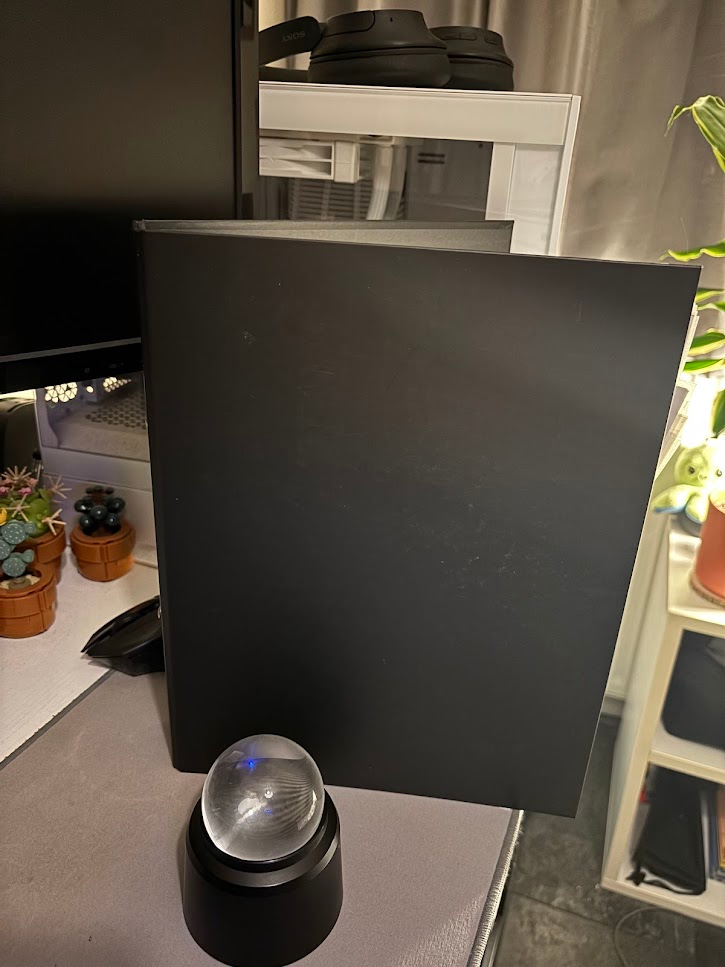
I set this up on my desk, but it also would’ve worked perfectly on the floor. For the black background, I used a black ringbinder folder. My lens ball was placed on top of a lens hood from my old Lumix camera
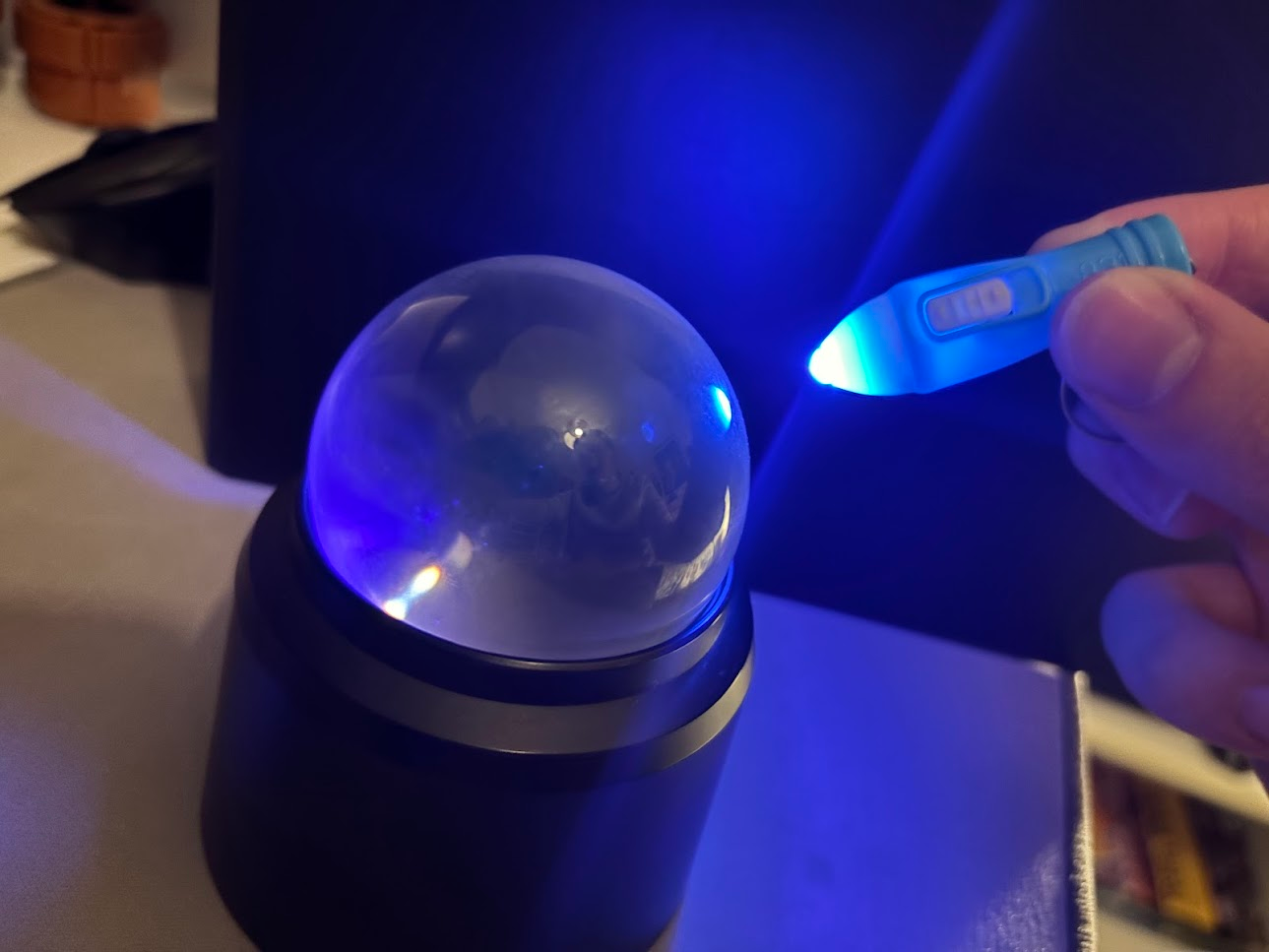
With the lights off, I then held and swung the small LED keychain round in circles in around the lens ball.
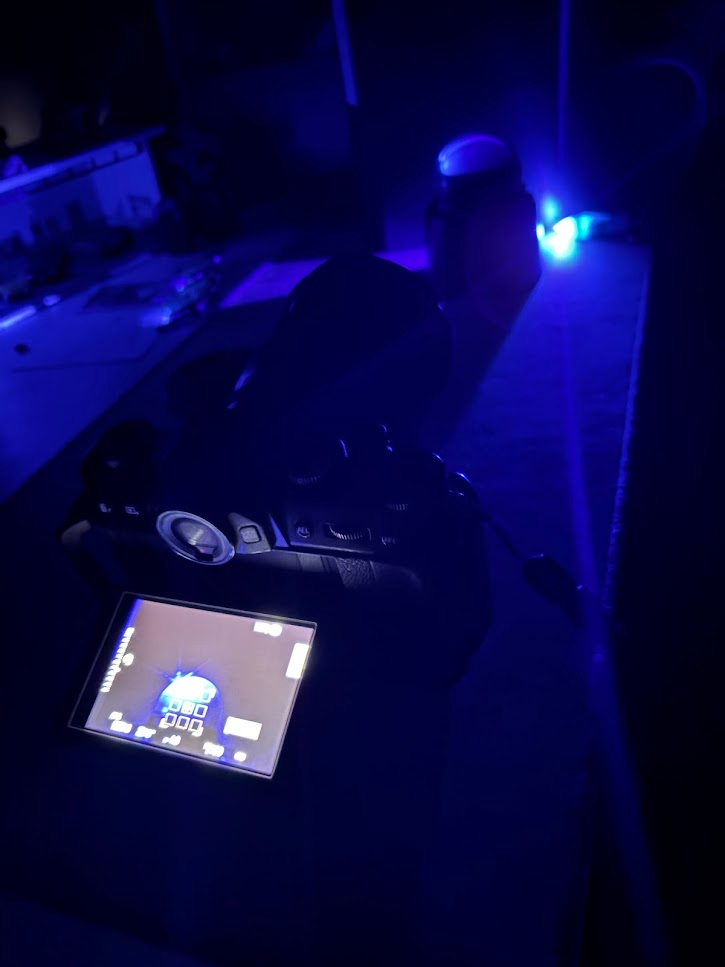
All resulting in the image below!
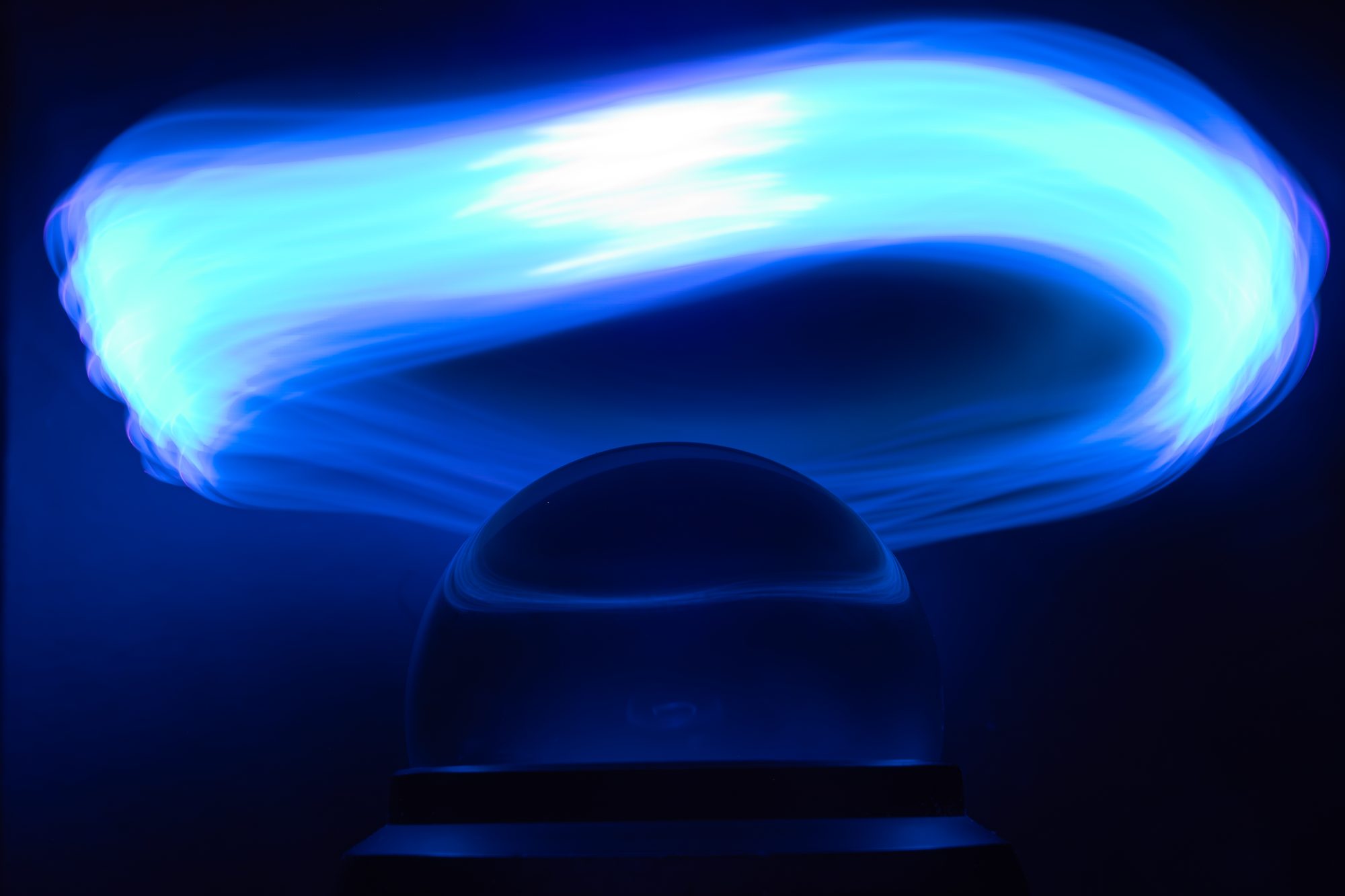
The trails of light combined into a disk that almost resembles a Halo. Not to bad for something that was practically wipped up out of thin air in a matter of minutes!
In conclusion, I’ve only skimmed the surface. There are so many things we can do to keep ourself occuped in these gloomy months, these are just some of the things I like to do. Keep it up everyone!


